

Better people decisions. Stronger teams. Lasting results.
The symptoms leaders see aren't always the problems that need solving.
A few examples of what happens when leaders stop guessing and start making the invisible visible.

The leadership team that needed to come together quickly
Symptoms
A VP inherited a newly formed IT leadership team made up of leaders from different backgrounds, locations, and experiences. Everyone was trying to figure each other out. Deadlines were tight, and the team wasn't confident in its ability to execute key objectives.
What They Thought
The team believed they simply needed more time together and better communication.
What We Found
The team was missing a critical leadership style and had several blind spots that made certain objectives much harder to achieve. They were also taking on more work than their leadership capacity realistically allowed.
Treatment Plan
Using Predictive Index assessments and facilitated workshops, we mapped the team's strengths, gaps, communication styles, and strategic objectives.
Outcome
The team gained clarity about its dynamics, improved collaboration, reduced burnout risk, and developed a more realistic approach to achieving departmental goals. The VP’s immediate reaction:
"Ooooh, that's gonna be a big stretch!"

The hiring decision that felt too important to get wrong
Symptoms
A business owner had experienced costly hiring mistakes and turnover. They had narrowed their search to two strong candidates but were nervous about making another expensive error.
What They Thought
The decision would come down to resumes, interviews, and gut instinct.
What We Found
Both candidates looked strong on paper, but they were not equally suited to the role, or to the broader needs of the organization.
Treatment Plan
We combined Predictive Index hiring assessments with structured interviews designed to probe behavioral fit, work style, and long-term alignment.
Outcome
The client gained confidence in selecting the strongest candidate and understood not only who could do the job, but who could grow with the business.
"Thank you for helping us make an informed decision on this."

The CEO who discovered a missing piece of the puzzle
Symptoms
A newly appointed CEO inherited an organization and knew some course correction was needed but wasn't sure where to begin.
What They Thought
The challenge was simply getting everyone aligned around a new direction.
What We Found
The company had significant talent gaps. Certain leadership capabilities, creative perspectives, and strategic strengths were largely absent.
Treatment Plan
Through team assessments, mapping exercises, and strategic planning workshops, we identified strengths, blind spots, and future talent needs.
Outcome
The CEO gained a clear roadmap for strengthening leadership and employee capabilities while improving communication and alignment across the organization.
"Whoa! We're going to need that."
Seeing something similar in your organization?
The symptom isn't always the problem.

When a startup team wanted to vote someone "off the island"
Symptoms
A startup's founding leadership team was experiencing immediate friction. Misunderstandings, hurt feelings, and conflict were slowing progress as launch pressure increased.
What They Thought
They believed certain personalities simply weren't compatible.
What We Found
Most of the team was actually very similar in style. The friction was being created by a small number of key differences that nobody fully understood or knew how to navigate.
Treatment Plan
Team assessments and facilitated workshops helped the founders understand their interpersonal dynamics and uncover blind spots.
Outcome
The team became calmer, more cohesive, and better equipped to work together. One particularly frustrated leader significantly improved their interactions following the workshop.
"You caught things that even I didn't realize, and I know about this stuff!"

Building a better hiring system
Symptoms
A manufacturing company faced high turnover, overwhelmed recruiters, and hiring managers who had never received formal interview training.
What They Thought
The issue was simply finding better candidates.
What We Found
The organization lacked a consistent, data-driven hiring process and managers were making important decisions without the tools or training to do so effectively.
Treatment Plan
We implemented Predictive Index hiring tools, trained HR and hiring managers, and embedded a more structured selection process into recruitment.
Outcome
Turnover decreased, managers became more confident, recruiting became less stressful, and job fit improved across the organization.
"I'm a big believer in Predictive Index and what it can do for us."

Why wasn’t the sales team bringing in new business?
Symptoms
A sales team excelled at serving existing clients but struggled to generate new business. The sales leader constantly found themselves stepping in to compensate.
What They Thought
The team simply needed more coaching and accountability.
What We Found
Most of the team was naturally wired for client service, process, and relationship maintenance—not prospecting and business development.
Treatment Plan
We assessed each salesperson's behavioral strengths, compared them to role requirements, and identified where responsibilities and future hiring could be adjusted.
Outcome
The sales leader finally understood why some team members struggled with prospecting and could assign work more strategically while planning future hires differently.
"Wait, you mean none of them are truly a great match for this role?"

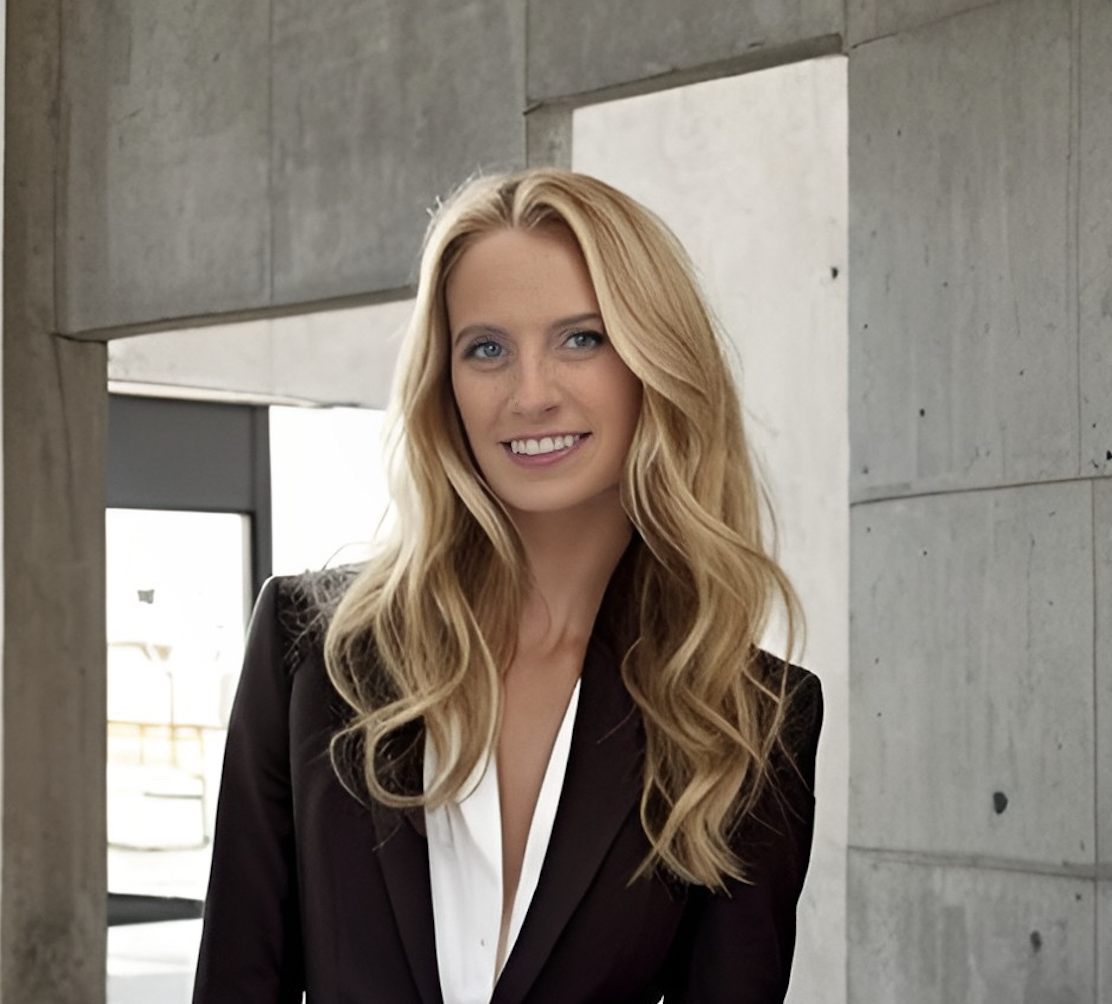
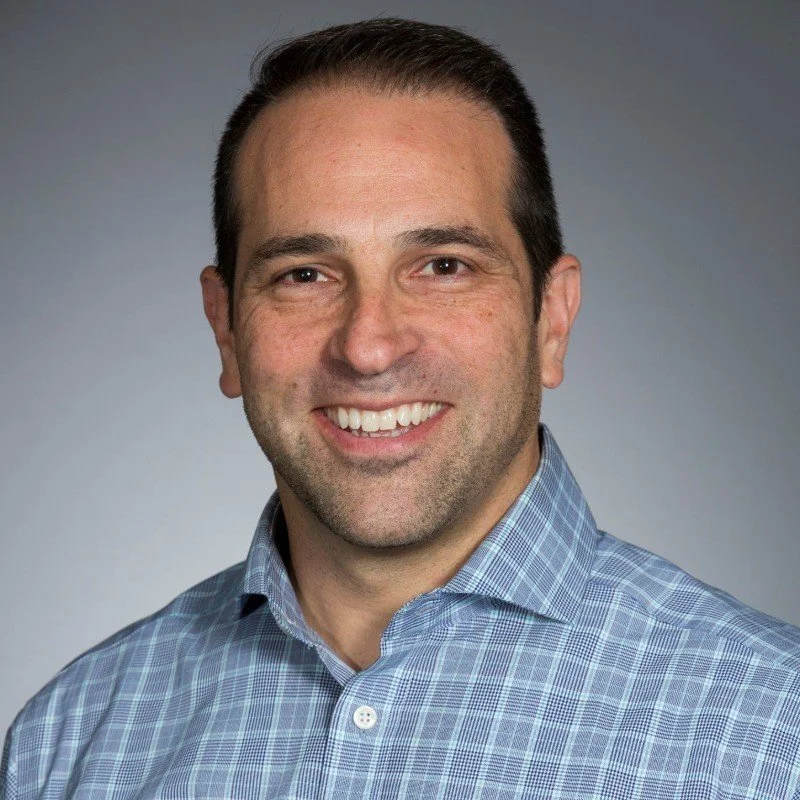
What leaders say about the work
-
![Co-founder and Chief People Officer Jaidin McCann shares testimonial about leadership alignment and hiring clarity]()
"Michelle’s guidance gave our executive team the clarity and alignment we didn’t know we were missing. As a result, we’re not just communicating better - we’re aligned, decisive, and making smarter hiring choices that reflect our values and goals."
Jaidin McCann, Co-Founder & Chief People Officer
-
![CEO Nick Strozza testimonial on people strategy and results-driven consulting]()
"Michelle gets the job done with strategy, clarity, and results. If you're serious about improving your most valuable asset - your people - work with Michelle."
Nick Strozza, CEO
-
![Mitch Bienvenue, Director of Small Business Development, shares testimonial on leadership strategy and human performance improvement support from Michelle]()
“Michelle understands the art and science of human performance improvement, relates well to organizational leadership and is a partner in problem solving and solution development.”
Mitch Bienvenue, Director for Small Business Development
-
![Director of Project Management Lei Meng on improved leadership and team communication results]()
"Michelle helped me improve my leadership and team communication in ways that immediately made a difference. Her insights helped me gain greater self-awareness, spot blind spots in our team, and start building a more cohesive and successful work environment."
Lei Meng, Director of Project Management
-
![]()
"Michelle’s insights helped me make tough but necessary decisions about where I could be most effective. I highly recommend her work to any leader or team looking to get unstuck and move forward with confidence."
Mark Coscarello, COO



Don't treat symptoms. Diagnose the cause.
Most organizations don't struggle because they lack effort.
They struggle because they're solving the wrong problem.
Let's identify what's really happening beneath the surface so you can move forward with confidence.
Because making the invisible visible changes everything.